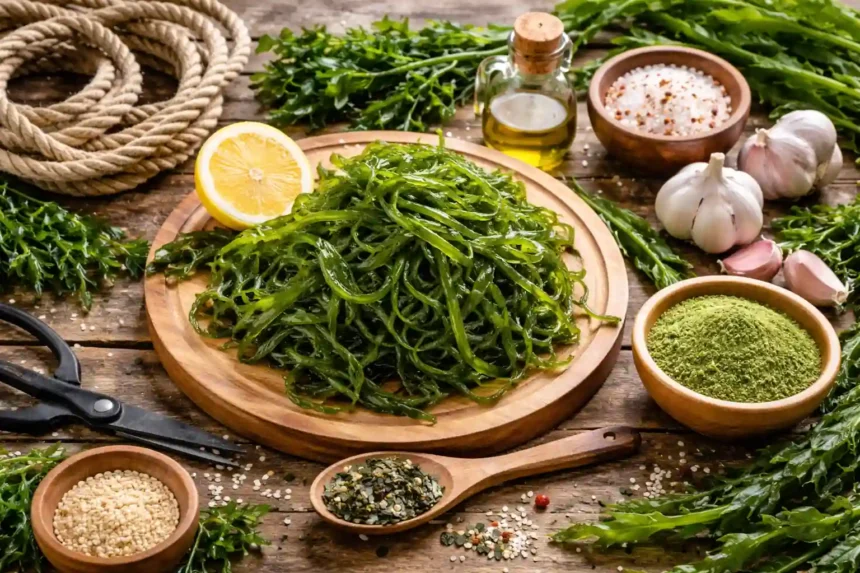
Alaskan Seiti is the commercial name used in Nordic markets — particularly Finland — for Alaska Pollock, one of the most widely harvested fish on the planet. It belongs to the cod family, comes from the cold waters of the North Pacific Ocean, and is present in more meals worldwide than most people realize. From frozen food aisles to fast food chains, this affordable white fish feeds millions every day.
- What Is Alaskan Seiti?
- Scientific Classification and Natural Habitat
- Taste, Texture, and Flavor Profile
- Nutritional Value of Alaskan Seiti
- Health Benefits of Alaskan Seiti
- Sustainability and Environmental Importance
- Fishing, Harvesting, and Commercial Processing
- Alaskan Seiti in Processed Seafood and Global Markets
- Popular Cooking Methods
- Alaskan Seiti Uunissa (Baked Alaska Pollock)
- Alaskan Seiti Pannulla (Pan-Fried Alaska Pollock)
- Alaskan Seiti Keitto (Alaska Pollock Soup)
- Other Home Cooking Methods
- How to Buy, Store, and Handle Alaskan Seiti
- Comparison With Other Fish
- Economic Importance of Alaskan Pollock Fisheries
- Conclusion
- FAQs
- What is Alaskan Seiti fish?
- Is Alaskan Seiti healthy to eat?
- What does Alaskan Seiti taste like?
- Is Alaskan Seiti the same as Alaska Pollock?
- Is Alaskan Seiti safe for kids and pregnant women?
- How do you cook Alaskan Seiti at home?
- Is Alaskan Seiti a sustainable seafood choice?
- What processed foods contain Alaskan Seiti?
Despite being less famous than salmon or cod, Alaskan Seiti drives a significant share of global seafood production. Its mild taste, lean nutritional profile, and easy cooking behavior have made it a staple in home kitchens, commercial food manufacturing, and sustainable seafood programs alike.
What Is Alaskan Seiti?
Alaskan Seiti is a market name — not a scientific classification. In English-speaking countries, the same fish is sold as Alaska Pollock. The scientific name is Gadus chalcogrammus, and it sits within the broader cod family alongside haddock and Atlantic cod.
The name variation matters more than it might seem. Product labeling differs by region, and consumer perception often shifts based on what a package says. In Finland and nearby Nordic markets, “seiti” is the standard term. In the United States and the UK, “pollock” is used. Both refer to the same species, caught from the same cold ocean waters.
Because it is wild-caught and processed at scale, Alaskan Seiti holds a unique position: it is simultaneously a home cooking ingredient and a major industrial raw material used by global food manufacturers.
Scientific Classification and Natural Habitat
Scientific Classification and Identity
Gadus chalcogrammus is the accepted scientific name for this species. It belongs to the cod family (Gadidae), which also includes haddock, Atlantic cod, and several other commercially important marine fish. This classification is important for fisheries management — governments and regulatory bodies use biological identity to set catch limits, monitor populations, and enforce sustainable fishing practices.
Unlike some fish whose commercial names are vague or misleading, Alaska Pollock has a clear and stable species identity recognized across global seafood systems.
Natural Habitat and Physical Characteristics
Alaskan Seiti is built for cold, deep water. Its primary range covers the Bering Sea, Gulf of Alaska, and the broader North Pacific region — environments with stable low temperatures and high biological productivity.
The fish forms large schools, which makes it highly efficient to harvest at commercial scale. Physically, it has a streamlined body with a speckled, silvery-gray upper side and a lighter underside — typical of the cod family’s body plan. Cold water growth is slow, which contributes to firm flesh texture and consistent quality across harvests.
Taste, Texture, and Flavor Profile
Alaskan Seiti has a mild, clean taste with a very slight natural sweetness. It does not carry the strong, briny notes that put some people off seafood. This makes it genuinely accessible — even for those who do not consider themselves fish eaters.
The flesh is soft, white, and flaky once cooked. It holds its structure well under heat, which is why it performs reliably across different cooking methods: frying, baking, grilling, and steaming all work without the fish falling apart. Because the flavor is neutral, it absorbs spices, herbs, and sauces easily — functioning almost like a blank canvas across Asian, European, and American cooking styles.
Nutritional Value of Alaskan Seiti
Alaska Pollock delivers strong nutritional value relative to its calorie load. Each serving provides roughly 16–20g of lean protein, typically under 90 calories, and less than 1g of fat — making it one of the leanest animal proteins available.
| Nutrient | Per Serving (100g) |
| Protein | 16–20g |
| Calories | ~90 kcal |
| Total Fat | <1g |
| Omega-3 (DHA + EPA) | Moderate |
| Vitamin B12 | High |
| Selenium | High |
| Phosphorus | Present |
| Iodine | Present |
| Niacin | Present |
The omega-3 content (DHA and EPA) is lower than in oily fish like salmon, but still meaningful for heart-healthy eating. Selenium acts as an antioxidant. Vitamin B12 supports nerve function and red blood cell production. Iodine plays a direct role in thyroid function and metabolism regulation. Together, these nutrients make Alaskan Seiti a genuinely functional food, not just a low-calorie protein source.
Health Benefits of Alaskan Seiti
Heart and Brain Health
The omega-3 fatty acids in Alaskan Seiti — specifically DHA and EPA — support cardiovascular function by helping manage cholesterol levels and reduce systemic inflammation. Regular consumption of lean white fish has been linked to lower blood pressure in nutritional studies, and the low saturated fat content adds further benefit for cardiovascular wellness.
Vitamin B12 and omega-3s also work together to support brain health. These nutrients contribute to cognitive function, memory retention, and proper nervous system activity — benefits relevant for both children and adults.
Weight Management and Metabolic Support
High protein content combined with very low calorie and fat levels makes Alaskan Seiti a practical food for weight management. Protein increases satiety, meaning meals built around this fish tend to keep hunger in check longer. For fitness enthusiasts and people following calorie-controlled or structured diet plans, it preserves lean body mass while supporting caloric reduction.
Safe for Frequent Consumption
Unlike larger predatory fish such as tuna, Alaskan Seiti sits low in the marine food chain, which means mercury accumulation is minimal. Its low mercury status makes it safe for regular consumption across all age groups — adults, children, and pregnant women included. This is a meaningful practical advantage for families building weekly meal plans around seafood.
Sustainability and Environmental Importance
Alaska’s fisheries are among the most tightly regulated in the world. Catch limits are set using scientific monitoring data, and fish stocks are assessed regularly to prevent overfishing. The Bering Sea pollock fishery in particular has maintained stable populations through decades of high commercial demand.
The Marine Stewardship Council (MSC) independently certifies many Alaskan Seiti products as sustainable, verifying that harvest methods meet ecological responsibility standards. Fishing operations commonly use mid-water trawling with bycatch reduction devices, which minimizes accidental catch of non-target species and helps protect broader marine biodiversity.
For consumers who care about where their food comes from, choosing MSC-certified Alaskan Seiti is one of the clearest sustainable seafood choices available at mainstream price points.
Fishing, Harvesting, and Commercial Processing
Once caught, Alaskan Seiti is typically processed immediately on the fishing vessel — a method known as freezing at sea. This preserves freshness and nutritional value before the fish travels thousands of miles to retail and foodservice markets.
The flesh has properties that make it ideal for commercial processing: it separates cleanly, freezes well without texture degradation, and adapts to multiple output formats — whole fillets, minced product, and surimi production. These characteristics explain why seafood manufacturers worldwide rely on it as a primary raw material.
Alaskan Seiti in Processed Seafood and Global Markets
Few fish appear in as many products under as many names as Alaskan Seiti. In the United States, it forms the base of fish sticks, breaded fillets, and fast-food fish sandwiches. Globally, it is the primary fish used to produce surimi — the processed fish paste that becomes imitation crab meat, widely used in sushi rolls, seafood salads, and ready meals.
In Japan, it appears in tempura and fish cakes. Across Finland, Sweden, and Norway, it is a household staple served in traditional home-cooked dishes. Its presence in Nordic seafood restaurants and supermarket frozen aisles has remained consistent for decades.
The reach of this fish across retail, foodservice, and industrial food production makes it a quiet powerhouse of the global seafood trade.
Popular Cooking Methods
Alaskan Seiti Uunissa (Baked Alaska Pollock)
A classic Finnish preparation. The fish is seasoned with herbs, lemon, and garlic, then baked until golden and tender. Paired with roasted potatoes or vegetables, it makes a complete, low-effort meal. Baking keeps added fat minimal while preserving the fish’s natural moisture.
Alaskan Seiti Pannulla (Pan-Fried Alaska Pollock)
Coating the fish in a light batter or seasoned flour and pan-frying produces a crispy, golden crust with a tender interior. This method is a restaurant and household favorite across Scandinavia. It pairs well with a wide range of dipping sauces and sides.
Alaskan Seiti Keitto (Alaska Pollock Soup)
A warm, hearty Finnish fish soup built from chunks of pollock, potatoes, carrots, and leeks. The mild flavor of the fish integrates cleanly with the vegetables. This Scandinavian preparation is particularly practical in colder months.
Other Home Cooking Methods
Beyond traditional Finnish recipes, Alaskan Seiti works across many global cooking styles:
- Grilled with lime and chili for fish tacos
- Steamed with ginger and soy for Asian-inspired dishes
- Poached in broth for light soups and curries
- Baked with pasta or served over rice for simple weeknight dinners
Because it cooks quickly — usually within 10–15 minutes depending on method — it suits busy households as much as professional kitchens.
How to Buy, Store, and Handle Alaskan Seiti
Buying: Fresh fish should feel firm and smell clean — a light ocean scent, not a strong or sharp odor. Frozen Alaskan Seiti is often the better practical choice; most commercial product is frozen at sea within hours of harvest, which preserves quality better than some “fresh” fish that has traveled long distances unfrozen.
Storing: Keep frozen product sealed in the freezer until ready to use. Once thawed, cook within 24 hours. Cooked fish keeps safely in the refrigerator for up to 2 days. Avoid refreezing thawed fish.
Cooking tips to avoid common mistakes:
- Use medium heat — high heat breaks the flesh apart
- Avoid heavy, overpowering sauces that mask the natural flavor
- Do not overcook; the fish is done when it flakes easily with a fork
Comparison With Other Fish
| Fish | Flavor | Fat Level | Price | Source |
| Alaskan Seiti | Mild, clean | Very low | Affordable | Wild, North Pacific |
| Cod | Slightly richer | Low | Moderate–high | Wild/farmed |
| Haddock | Mild, slightly sweet | Low | Moderate | Wild |
| Tilapia | Neutral | Low | Affordable | Farmed |
| Salmon | Rich, full | High | High | Wild/farmed |
Alaskan Seiti occupies a practical middle ground: the flavor profile is closest to cod and haddock, but it typically costs less and is more widely available in processed forms. For budget-friendly, wild-caught seafood, it has no direct competition at the same scale.
Economic Importance of Alaskan Pollock Fisheries
Alaska Pollock is the most commercially important fish in the United States by volume. The Bering Sea and Gulf of Alaska fisheries generate billions of dollars in economic output annually, supporting thousands of jobs across catching, processing, and distribution.
Processing plants in Alaska and the broader U.S. seafood industry depend on pollock as a primary input. Beyond domestic markets, the fish anchors shipping routes that connect Alaska to food manufacturers and retailers across Asia, Europe, and the Americas. For local communities in coastal Alaska, the fishery provides livelihoods that have remained stable across generations.
Conclusion
Alaskan Seiti — commercially known as Alaska Pollock — is far more significant than its low profile suggests. It is a lean, nutritious white fish with strong sustainability credentials, practical cooking versatility, and a central role in global seafood culture. Whether it appears as a baked fillet on a Finnish dinner plate, inside a fish taco, or processed into surimi for a sushi roll, it consistently delivers on affordability, nutrition, and ease of preparation. For anyone building a practical, health-conscious approach to seafood, it belongs in the regular rotation.
FAQs
What is Alaskan Seiti fish?
Alaskan Seiti is a market name used primarily in Nordic countries for Alaska Pollock (Gadus chalcogrammus), a white fish from the cod family caught in the North Pacific Ocean.
Is Alaskan Seiti healthy to eat?
Yes. It is high in protein (16–20g per serving), low in fat, and contains vitamin B12, selenium, phosphorus, and omega-3 fatty acids — making it a strong choice for balanced, everyday nutrition.
What does Alaskan Seiti taste like?
The flavor is mild, clean, and slightly sweet — not strongly fishy. The flesh is soft and flaky when cooked, which makes it adaptable to a wide range of seasonings and cooking styles.
Is Alaskan Seiti the same as Alaska Pollock?
Yes. Both names refer to the same species. The naming difference is regional — “seiti” is standard in Finnish and Nordic markets, while “pollock” is used in English-speaking countries.
Is Alaskan Seiti safe for kids and pregnant women?
Yes. It is a low-mercury fish, which makes it safe for regular consumption by children, pregnant women, and all age groups. It is one of the more family-friendly seafood options available.
How do you cook Alaskan Seiti at home?
It can be baked, pan-fried, grilled, steamed, or used in soups and curries. It cooks quickly — typically 10–15 minutes — and works well with simple seasonings like lemon, garlic, and herbs.
Is Alaskan Seiti a sustainable seafood choice?
In most cases, yes. Many products carry MSC (Marine Stewardship Council) certification, confirming they come from well-managed fisheries with strict quotas and bycatch reduction practices.
What processed foods contain Alaskan Seiti?
It is the main fish used in surimi (imitation crab), fish sticks, frozen fillets, breaded products, and fast-food fish sandwiches. It is one of the most widely used species in commercial seafood manufacturing worldwide.