 Prosecchini are small, single-serve bottle of Prosecco, typically holding 187ml to 200ml of sparkling wine. The name combines “Prosecco” with the Italian suffix “-ini,” which simply means small or miniature. These compact bottles contain the same quality wine found in a standard 750ml bottle — same Glera grapes, same production method, same flavor — just in a fraction of the size.
- What Is Prosecchini? Meaning and Origin
- How Is Prosecchini Made?
- Sweetness Levels and Style Guide
- Tasting Notes and Flavor Profile
- How to Serve and Enjoy Prosecchini
- How to Create Prosecchini at Home
- Why Mini Prosecco Bottles Are Trending
- Prosecchini in Events and Hospitality
- Cultural Appeal and Lifestyle Fit
- Tenuta Sant’Anna Prosecchini — Product Details
- The Future of Prosecchini
- Conclusion
- FAQs
- What is prosecchini and what does the name mean?
- How is prosecchini different from regular Prosecco?
- What are the sweetness levels available in prosecchini?
- How much alcohol is in a mini prosecco bottle?
- How long does a prosecchini bottle stay fresh?
- Are there flavored versions of prosecchini available?
- What foods pair well with prosecchini?
- Can prosecchini be used in cocktails?
What Is Prosecchini? Meaning and Origin
The word itself tells you everything. In Italian, adding “-ini” to a word makes it smaller. So prosecchini translates directly to “little Proseccos.”
These bottles hold between 187ml and 200ml — roughly one generous glass or two small tasting pours. A standard 750ml bottle holds four times that amount. Some producers also offer 375ml split bottles designed for two people, but the smaller single-serve format remains the most popular.
The concept grew out of a broader shift in food and drink culture. As portion control and curated experiences became priorities, chefs and mixologists in Veneto and Friuli-Venezia Giulia began repackaging their sparkling wines for individual enjoyment. What started as a practical packaging decision became a genuine lifestyle trend embraced by upscale restaurants, home gatherings, and celebrations alike.
How Is Prosecchini Made?
The production process is identical to full-sized Prosecco. Winemakers use 100% Glera grapes grown in estate-owned vineyards within the Veneto DOC area, typically at altitudes between 30 and 45 meters above sea level. The soil is a medium blend with a clay-like tendency, which contributes to the grape’s aromatic character.
After harvest, grapes are de-stemmed and gently crushed. The must transfers to steel vats where primary fermentation takes place at controlled temperatures.
From there, the Charmat method begins. A selection of yeasts is introduced to pressurized stainless-steel tanks to trigger a secondary fermentation. Over roughly 4 months, the wine develops its carbonation and refines into a finished sparkling wine. Fermentation stops when the winemaker raises the temperature to lock in the desired residual sugar level.
Once complete, the wine is bottled under pressure to preserve every bubble. The miniature bottles receive the same care as standard production — no shortcuts in the process simply because the container is smaller.
| Production Detail | Specification |
| Grape Variety | 100% Glera (Prosecco) |
| Region | Veneto DOC, Italy |
| Method | Charmat (secondary fermentation in tank) |
| Fermentation Duration | ~4 months |
| Altitude | 30–45 meters above sea level |
| Alcohol Content | 11.5% ABV |
Sweetness Levels and Style Guide
The label on a Prosecco bottle can be misleading. The terminology does not follow common logic, and choosing the wrong style is one of the most frequent mistakes buyers make.
Here is a straightforward breakdown:
- Brut — the driest style, with minimal residual sugar; crisp, clean, food-friendly
- Extra Dry — slightly sweeter than Brut despite the name; soft and approachable on the palate
- Dry — noticeably sweet; closer to a dessert-style sparkling wine
- Demi-Sec — the sweetest category; rarely found in prosecchini format
For an outdoor aperitif or a standalone glass, Brut works best. If pairing with fruit-based desserts or sweeter dishes, Extra Dry offers a better balance. The crisp profile of Brut also makes it the most versatile option for cocktail use.
Tasting Notes and Flavor Profile
Quality prosecchini delivers a recognizable aromatic profile. On the nose, expect fresh citrus, white flowers, and hints of honey. The palate follows with ripe citrus, green apple, lemon, and touches of grapefruit.
Brut versions from producers like Tenuta Sant’Anna add acacia flowers and white peach to the bouquet. The finish features fine bubbles with a creamy perlage — a term describing the way bubbles rise steadily and consistently through the glass.
The lively bubbles are not just cosmetic. They carry the floral aromas upward and keep the wine feeling fresh from first sip to last. This is one reason prosecchini performs so well in both standalone sipping and cocktail applications.
How to Serve and Enjoy Prosecchini
Serving Temperature and Glassware
Serve prosecchini well-chilled — between 40°F and 45°F (5°C to 7°C). At warmer temperatures, the bubbles dissipate faster and the aromatic compounds flatten.
While drinking directly from the bottle works fine at casual outdoor events, pouring into a flute or tulip-shaped glass improves the experience. A flute concentrates the bubbles and directs the fresh bouquet toward the nose. A tulip shape offers slightly more room for aromas to develop.
Chilling takes about 30 minutes in a standard fridge or 15 minutes in an ice bucket. The compact size is a practical advantage here — mini bottles reach serving temperature significantly faster than a 750ml bottle.
Food Pairings
The high acidity and fine bubbles make prosecchini a strong pairing partner across a wide range of foods:
- Seafood — oysters, shrimp, light sushi rolls, fish-based appetizers and risottos
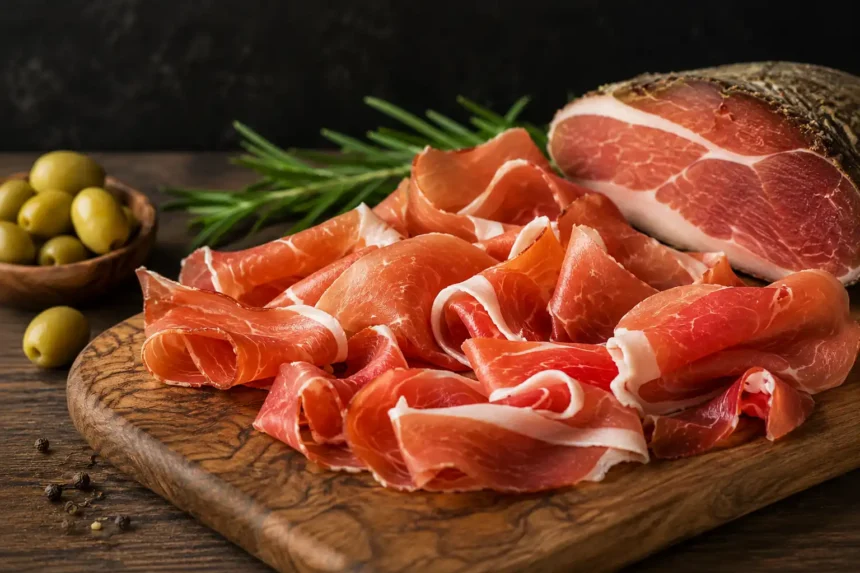
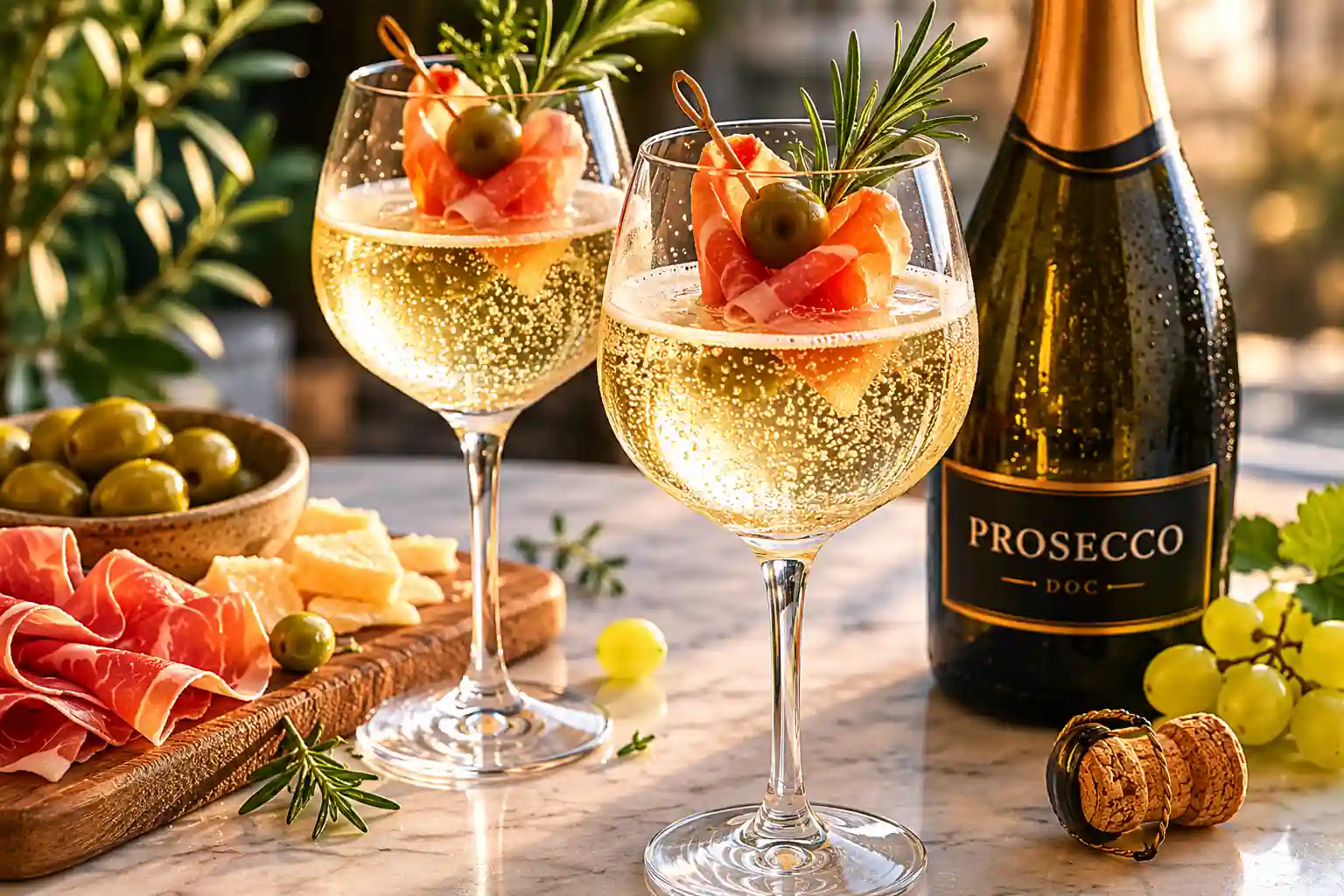
- Charcuterie — prosciutto, brie, green olives, cured meats
- Brunch dishes — smoked salmon, eggs benedict, fresh fruit pastries
- Light starters — bruschetta, soft cheeses, vegetable crudités
The bubbles cut through fat and salt effectively, which is why charcuterie boards and seafood are the most recommended pairings. Avoid heavy red meat dishes or anything with bold tannins — they overwhelm the wine’s delicate structure.
Single-Serve Cocktails
Mini bottles are a practical tool for cocktail preparation. Each 200ml bottle provides a pre-measured sparkling base — no leftover wine losing its fizz in the fridge.
Two cocktails that work particularly well:
- Aperol Spritz — Aperol, prosecchini, a splash of soda water, orange slice
- Bellini — white peach purée, prosecchini poured over gently
The carbonation stays intact because the entire bottle is used in one drink. This is a real advantage over using a portion from a larger bottle, where the remaining wine goes flat before the next round.
How to Create Prosecchini at Home
Creating prosecchini-style servings at home requires no professional equipment. Start with a good-quality Brut or Extra Dry Prosecco as the base.
Flavor additions that work well:
- Fresh fruits — strawberries, peaches, citrus slices
- Herbs — basil, rosemary
- Flavored syrups or liqueurs for added depth
For presentation, use small glasses, jars, or hollowed-out fruit as containers. Add edible flowers, fresh fruit slices, or herb sprigs as garnish. Pair with small bites — olives, aged cheese, mini desserts — to build a multi-sensory experience.
The goal is intentional presentation, not complexity. Even a simple prosecco with a fresh peach slice in a small glass achieves the effect. Artistic plating and vibrant garnishes elevate the visual appeal without requiring professional skill.
Why Mini Prosecco Bottles Are Trending
Portability and Convenience
Standard wine bottles are heavy, fragile, and require a glass. Mini bottles solve all three problems. They chill faster, pack easily, and need no additional equipment to enjoy.
Prosecchini fits naturally into picnics, beach trips, outdoor festivals, and spontaneous moments where pulling out a 750ml bottle feels excessive. The compact size means a group can each grab their own bottle without sharing glassware.
Reducing Wine Waste
Sparkling wine has a short shelf life once opened. Carbonation escapes immediately, and a half-empty bottle typically goes flat overnight. A single-serve bottle eliminates this problem entirely — every bottle delivers peak freshness because the entire serving is consumed at once.
For infrequent drinkers or solo occasions, this makes prosecchini genuinely practical rather than just novelty packaging.
Prosecchini in Events and Hospitality
Event planners increasingly use prosecchini stations at weddings, corporate functions, and private parties. Guests select their own bottle, which removes the need for a full bar setup and adds an interactive element to the experience.
In restaurants, prosecchini often appears as a palate cleanser between courses or as a pre-meal treat. Some establishments offer tasting flights — three or four different styles lined up for guests to compare sweetness levels and flavor combinations side by side.
The hospitality industry values it for practical reasons too: inventory is easier to manage, waste is minimal, and the single-serve format suits modern portion-conscious dining.
Cultural Appeal and Lifestyle Fit
Prosecchini resonates with current consumption habits. Social media platforms like Instagram and Pinterest have amplified its popularity — the small bottles are highly photogenic, and visually striking food and drink content drives genuine purchase behavior.
Beyond aesthetics, it aligns with mindful consumption. Instead of committing to multiple glasses, drinkers can enjoy one well-chosen serving. For those managing alcohol intake, the controlled portion removes guesswork — one 200ml bottle at 11.5% ABV equals approximately 1.5 standard drinks.
Non-alcoholic alternatives are also available. Sparkling water or non-alcoholic Prosecco can serve as a substitute base, allowing anyone to participate in the format regardless of preference.
Tenuta Sant’Anna Prosecchini — Product Details
Tenuta Sant’Anna is the most widely distributed producer of prosecchini in the US market. Their bottles appear across retailers including Grand Wine Cellar, Hill Side Vineyards, and Leone Alato USA.
| Detail | Specification |
| Producer | Tenuta Sant’Anna |
| Oenologist | Riccardo Cottarella (consultant) |
| Region | Veneto DOC, Italy |
| Styles Available | Brut (200ml), Extra Dry (750ml) |
| Vintage | NV (Non-Vintage) |
| Retail Price (750ml x12) | $220.00 (Grand Wine Cellar) |
| Distributor (USA) | Leone Alato USA, Republic National |
The Brut 200ml format was previously sold as 187ml and has since been updated to the current 200ml size.
The Future of Prosecchini
The mini bottle format shows no signs of reversing. Culinary trends continue to favor curated, experience-driven consumption, and prosecchini sits at the intersection of convenience and sophistication.
Innovation in flavor combinations is expanding the category. Rose versions, elderflower infusions, and peach, strawberry, and lemon varieties are becoming more widely available. Presentation techniques are also evolving — new glassware designs, custom labels, and interactive tasting formats are pushing the niche toward mainstream.
Technology may play a role in future development too, with tools designed specifically for creating and serving mini sparkling drinks at home becoming more accessible.
Conclusion
Prosecchini delivers the full experience of Italian sparkling wine in a practical, waste-free single-serve format. The Glera grape, Charmat method, and regional DOC standards remain unchanged — only the bottle size is different.
For solo evenings, outdoor occasions, or event hospitality, mini prosecco bottles offer crisp refreshment without the commitment of opening a full 750ml. Whether served chilled on its own, paired with seafood and charcuterie, or used as a base for an Aperol Spritz, the format earns its place well beyond novelty. Italian charm and everyday elegance, packaged into something small enough to fit in a picnic basket.
FAQs
What is prosecchini and what does the name mean?
Prosecchini is a small, single-serve bottle of Italian Prosecco. The name comes from “Prosecco” combined with the Italian suffix “-ini,” which means miniature or small.
How is prosecchini different from regular Prosecco?
Only the packaging differs. The wine inside uses the same Glera grapes, identical production methods, and the same flavor profile as a standard 750ml Prosecco bottle. The bottle size is simply smaller — 187ml or 200ml versus the standard 750ml.
What are the sweetness levels available in prosecchini?
The main styles are Brut (driest), Extra Dry (slightly sweet despite the name), Dry (noticeably sweet), and Demi-Sec (sweetest). Brut and Extra Dry are the most common formats in single-serve bottles.
How much alcohol is in a mini prosecco bottle?
Most mini bottles carry an ABV of 11% to 11.5%. A 200ml bottle at 11.5% equals approximately 1.5 standard drinks.
How long does a prosecchini bottle stay fresh?
A sealed bottle stored in a cool, dark place stays fresh for up to one year. Once opened, drink it immediately — carbonation fades quickly once the seal is broken.
Are there flavored versions of prosecchini available?
Yes. Beyond the classic Glera grape variety, producers now offer rose versions and bottles with added notes of peach, strawberry, lemon, and elderflower.
What foods pair well with prosecchini?
Seafood pairings work best — oysters, shrimp, sushi, and fish-based risottos. Charcuterie boards with prosciutto and brie are equally well-matched. For brunch, smoked salmon and eggs benedict are classic choices.
Can prosecchini be used in cocktails?
Yes, and it works particularly well. The pre-measured 200ml bottle provides the perfect sparkling base for an Aperol Spritz or a peach Bellini. Using the entire bottle ensures the carbonation stays fresh through the full drink.