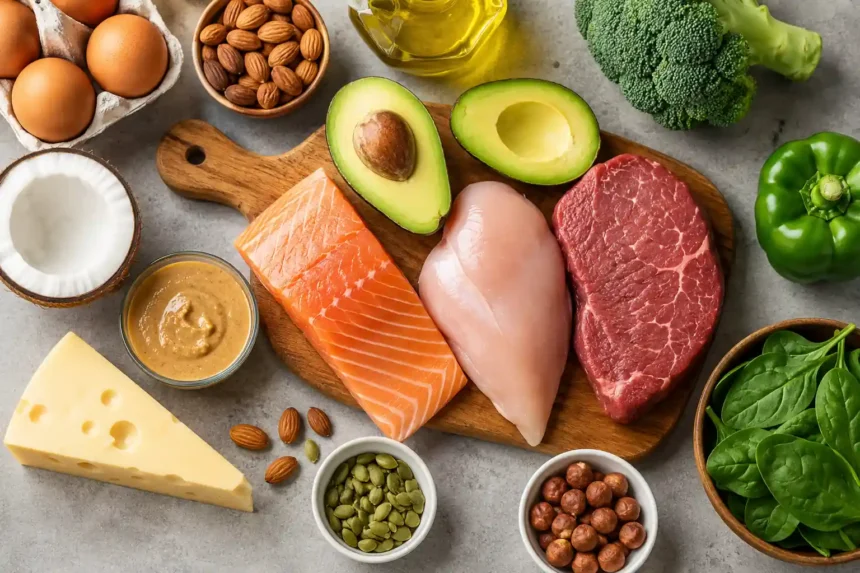
The keto diet is a high-fat, very low-carbohydrate eating plan that shifts the body’s primary fuel source from glucose to ketones. Originally developed in the 1920s as a medical treatment, it now attracts widespread attention for weight loss, blood sugar control, and neurological health. This guide covers everything you need to know — from the science behind ketosis to the real risks most sources overlook.
- What Is the Keto Diet?
- How Does the Keto Diet Work?
- What to Eat on the Keto Diet
- Health Benefits of the Keto Diet
- Research and Clinical Evidence
- Risks, Side Effects, and Contraindications
- Adherence, Monitoring, and Implementation
- Conclusion
- FAQs
- What is the keto diet, and how does it function?
- What foods can you eat on the keto diet?
- How much weight can you lose on a keto diet?
- Is the keto diet safe long-term?
- What is the keto flu and how do you avoid it?
- Who should not follow the keto diet?
- How is the keto diet different from other low-carb diets?
- Can the keto diet help with conditions beyond weight loss?
What Is the Keto Diet?
The ketogenic diet reduces carbohydrate intake sharply while increasing fat consumption. A standard keto macro breakdown looks like this:
| Macronutrient | Percentage of Daily Calories |
| Fat | 70–80% |
| Protein | 10–20% |
| Carbohydrates | 5–10% |
This is a significant departure from a typical diet. Most people eat 45–65% of calories from carbohydrates. On keto, that drops to under 50 grams per day — sometimes as low as 20 grams.
The diet has been used for medical conditions including epilepsy, type 2 diabetes, cancer, polycystic ovary syndrome, and Alzheimer’s disease. It is not simply a weight-loss strategy, though that is now its most common use.
History and Origin of the Ketogenic Diet
The ketogenic diet dates back to the 19th century, when low-carbohydrate approaches were used to manage diabetes before insulin existed. In 1921, Russell Wilder, MD of the Mayo Clinic, formally introduced the diet as a treatment for refractory epilepsy in children and coined the term “ketogenic diet.” His patients saw meaningful reductions in seizure frequency and severity.
The 1920s also brought exogenous insulin, which sidelined dietary approaches for diabetes management. The keto diet saw declining clinical use until the 1990s, when renewed success in treating drug-resistant epilepsy brought it back into medical practice. The low-carb diet craze of the 1970s, driven by the Atkins diet, separately introduced high-fat, high-protein eating to the general public — though Atkins differed from keto in its emphasis on protein over fat. Today, cardiometabolic and neurologic conditions are both active areas of keto research.
Types of Ketogenic Diets
Not all ketogenic diets are the same. Three main versions are used clinically:
- Traditional ketogenic diet — A strict 4:1 or 3:1 ratio of fat to combined protein and carbohydrate. About 90% of calories come from fat. Used primarily for drug-resistant epilepsy in children. Requires precise food weighing and close medical supervision.
- Modified Atkins diet — A 1:1 fat-to-protein-and-carb ratio, with roughly 60–70% calories from fat. Less restrictive, more practical for adolescents and adults with epilepsy.
- Very-low-carbohydrate ketogenic diet — Limits carbs to 20–50 grams daily, with 60–75% of calories from fat. This is the version most people use for obesity, metabolic syndrome, and type 2 diabetes.
How Does the Keto Diet Work?
When carbohydrate intake drops low enough, the body depletes its glucose stores within 3–4 days. Insulin levels fall. The liver begins breaking down fat into ketone bodies — primarily β-hydroxybutyrate and acetoacetate — which replace glucose as the primary fuel. The brain, which normally demands around 120 grams of glucose daily, adapts to run on these ketones instead. This metabolic state is called ketosis.
Metabolic Mechanisms
The liver produces ketones through a process called ketogenesis. It draws on free fatty acids released from adipose stores through lipolysis, converting them using hepatic gluconeogenesis pathways involving pyruvate, lactate, glycerol, and glucogenic amino acids.
Ketones are actually a more energy-dense fuel than glucose. Per 100 grams:
| Fuel | ATP Yield |
| Glucose | ~8,700 g ATP |
| Acetoacetate | ~9,400 g ATP |
| β-Hydroxybutyrate | ~10,500 g ATP |
Beyond energy, ketone bodies act as signaling molecules. β-Hydroxybutyrate inhibits histone deacetylases, triggering epigenetic and anti-inflammatory pathways. Ketosis also reduces excitatory synaptic transmission, which is central to its anti-seizure effects. These mechanisms explain why keto has therapeutic uses well beyond simple calorie restriction.
What Is Ketoacidosis?
Ketoacidosis is a dangerous medical condition — not the same as nutritional ketosis. In ketoacidosis, ketone levels rise to toxic levels, creating severe metabolic acidosis. The kidneys begin excreting ketones through urine, causing fluid-related weight loss and electrolyte disruption.
This condition occurs most commonly in people with type 1 diabetes, who cannot produce insulin to regulate ketone production. In rare cases, nondiabetic individuals following a very low-carbohydrate diet for extended periods have developed it. Nutritional ketosis, by contrast, maintains a normal blood pH and is physiologically stable in healthy individuals.
What to Eat on the Keto Diet
A standard 2,000-calorie keto day targets approximately 165 grams of fat, 75 grams of protein, and 40 grams of carbohydrate. Tracking net carbs — total carbohydrates minus insoluble fiber and sugar alcohols like mannitol, sorbitol, and xylitol — is standard practice, though the accuracy of net carb calculations varies.
Keto-Approved Foods
The diet centers on:
- Proteins: Grass-fed beef, pork, bacon, wild-caught fish, salmon, organ meats, eggs, tofu
- Fats and oils: Olive oil, coconut oil, butter, lard, cocoa butter
- Nuts and seeds: Macadamia, walnuts, almonds, pecans, sunflower, pumpkin, sesame, hemp, flax
- Vegetables: Kale, Swiss chard, spinach, collards, bok choy, cauliflower, broccoli, Brussels sprouts, asparagus, bell peppers, mushrooms
- Other: Avocados, berries (small portions), dark chocolate (90%+ cocoa), olives, full-fat dairy, arugula
- Omega-3 sources like wild-caught fish are particularly encouraged over grain-fed animal proteins
Foods to Avoid on Keto
The diet eliminates most carbohydrate-dense foods:
- All refined grains and whole grains: breads, cereals, pasta, rice, cookies
- Starchy vegetables: potatoes, corn
- Legumes: beans, lentils, peanuts
- Most fruits and all fruit juices
- Processed meats with added sugars or fillers
- High-lactose dairy: cream, ice cream, full-fat milk
Health Benefits of the Keto Diet
Short-term metabolic improvements are well-documented. Studies consistently show reductions in insulin resistance, high blood pressure, LDL cholesterol, and triglycerides, along with increases in HDL cholesterol. Fasting glucose and HbA1c improve meaningfully in people with type 2 diabetes. Diastolic blood pressure also responds positively in many participants.
Weight Loss Results
Initial weight loss on keto can be rapid — often up to 10 pounds in the first 2 weeks. This early loss is largely water weight driven by a diuretic effect as glycogen stores deplete. Fat loss and preservation of lean body mass follow as nutritional ketosis continues.
The appetite-suppressing effect is real. Ketosis lowers appetite-stimulating hormones, particularly ghrelin and leptin, reducing food cravings without requiring calorie counting. One study of 39 obese adults on a very low-calorie ketogenic diet for 8 weeks found a mean weight loss of 13% of starting body weight, with significant reductions in fat mass and waist circumference.
Neurological and Metabolic Benefits
The keto diet has the strongest clinical evidence for drug-resistant epilepsy, where it consistently reduces seizure burden across both pediatric and adult populations. It is also the primary treatment for glucose transporter type 1 deficiency syndrome and pyruvate dehydrogenase deficiency.
Emerging research points to benefits in:
- Alzheimer’s disease and Parkinson’s disease — Preliminary studies show improvements in oxidative stress, mitochondrial function, and some cognitive and motor symptoms
- Cancer — Mechanistic evidence suggests keto may slow tumor growth in neuroblastoma, acute myeloid leukemia, and glioblastoma by activating GPR109A, inhibiting mTORC1, and reducing glucose uptake and glycolysis in tumor cells
- Polycystic ovarian syndrome — Improvements in fasting insulin, glycemic measures, and androgen levels have been reported
- MASLD (metabolic dysfunction-associated steatotic liver disease) — Microbiome and metabolic changes may reduce inflammation, though high-fat intake can worsen steatosis in some individuals
Research and Clinical Evidence
| Study Type | Key Finding |
| Meta-analysis (13 RCTs, 1–2 years) | Keto produced a greater reduction in weight, triglycerides, and blood pressure vs. a low-fat diet at 1 year |
| Systematic review (26 trials, 4–12 weeks) | Significantly reduced hunger despite extreme caloric restriction |
| 89 obese adults (6-month keto + 6-month Mediterranean diet) | Mean 10% weight loss, no regain at 1 year, 88% compliance |
| 39 obese adults (8-week very low-calorie keto) | 13% body weight reduction, ghrelin levels suppressed during ketosis |
Most trials run fewer than 12 weeks and lack control groups. Long-term data comparing keto to conventional weight-loss diets show the weight difference narrows significantly after one year. The diet’s advantage is most pronounced at 6–12 months.
Risks, Side Effects, and Contraindications
Short-term side effects during the adaptation phase include nausea, vomiting, diarrhea, constipation, halitosis, headache, fatigue, dizziness, abdominal pain, and reflux. These symptoms — collectively called the keto flu — stem from carbohydrate withdrawal, fluid shifts, and electrolyte imbalances. They typically resolve within days to weeks. Adequate hydration and electrolyte intake manage most cases.
Long-Term Risks
Prolonged keto use carries documented risks:
- Dyslipidemia and elevated LDL cholesterol in some individuals
- Hepatic steatosis
- Cardiomyopathy
- Hypercalciuria and kidney stones
- Reduced bone mineral density and impaired bone remodeling
- Elevated uric acid increases gout risk
- Micronutrient deficiencies — particularly B vitamins, iron, magnesium, zinc, and fiber from excluded whole grains
- Hypoproteinemia and skeletal complications in children on long-term treatment
- Potential cognitive function impacts with extended ketosis (evidence remains limited)
High saturated fat intake raises cardiovascular risk in some patients, and reduced dietary fiber negatively affects endothelial function and lipid profiles.
Who Should Avoid the Keto Diet
Keto is contraindicated for people with:
- Metabolic disorders: Primary carnitine deficiency, carnitine palmitoyltransferase deficiency, carnitine translocase deficiency, porphyrias, pyruvate kinase deficiency
- Organ conditions: Pancreatitis, liver failure
- Medication interactions: Those taking SGLT2 inhibitors face elevated risk of euglycemic diabetic ketoacidosis (DKA); sulfonylureas and oral hypoglycemic agents require dose adjustment to prevent hypoglycemia
- Special populations: Pregnant women (risk to fetal growth and nutrient status), those with eating disorders (rigid rules can trigger relapse), and children and adolescents outside supervised medical settings
- Type 1 diabetes requires very close monitoring if keto is attempted at all
Adherence, Monitoring, and Implementation
Long-term adherence is the diet’s biggest clinical challenge. A 2024 systematic review found mean adherence rates of approximately 70% in children, 65% in adolescents, and 64% in adults at one year, dropping to 38% by year three. In weight-loss programs, one 9-month intervention saw retention fall from near-complete at 3 months to just 8.4% at 9 months, driven by diet monotony, psychological fatigue, and social pressures.
Monitoring should include periodic checks of renal function, fasting lipid profile, and electrolytes — sodium, potassium, magnesium, and bicarbonate. Antihypertensive and glucose-lowering medications typically require adjustment as natriuresis and blood glucose fall with carbohydrate restriction.
Who Is the Keto Diet Best For?
Candidates most likely to benefit include people with severe obesity, hypertriglyceridemia, poor glycemic control, or drug-resistant epilepsy when other approaches have failed. Successful implementation generally requires:
- Strong caregiver or family support
- Access to a registered dietitian for individualized meal planning and micronutrient monitoring
- Regular structured follow-up with physicians, pharmacists, and behavioral health professionals
- Shared electronic health records to coordinate interprofessional care
Patient selection matters. Those with significant hepatic, renal, or pancreatic disease are poor candidates regardless of other factors.
Sample Keto Meal Plan
A typical day on a very-low-carbohydrate ketogenic diet (20–50 g net carbs, 60–75% calories from fat):
| Meal | Example |
| Breakfast | 2 eggs in olive oil, spinach, ½ avocado, black coffee |
| Lunch | Grilled salmon, leafy greens (arugula, romaine), olives, olive oil dressing |
| Snack | 30 g macadamia nuts or walnuts |
| Dinner | Roasted chicken thigh, sautéed broccoli and cauliflower in butter |
| Optional | 30 g full-fat cheese |
The National Lipid Association and American Diabetes Association both advise prioritizing unsaturated fats — olive oil, nuts, fatty fish — over saturated fats to minimize adverse lipid effects. Bulletproof coffee (coffee blended with butter and MCTs) raises ketone levels quickly due to the liver’s rapid conversion of medium-chain triglycerides, but it lacks protein, fiber, and micronutrients, making it a poor meal replacement.
Conclusion
The keto diet produces real, measurable short-term benefits — weight loss, improved blood sugar, lower blood pressure, and better total cholesterol — particularly in the first 6 to 12 months. Beyond weight loss, it remains the strongest dietary intervention for drug-resistant epilepsy and shows growing promise for type 2 diabetes and certain neurological conditions.
The limitations are equally real. Long-term safety data are limited. Adherence is difficult. LDL cholesterol may rise. Nutrient deficiencies are a documented risk without careful planning. The Dietary Guidelines for Americans and the American Heart Association both flag concerns around high saturated fat intake.
Anyone considering keto should consult a physician and a  registered dietitian before starting. Biochemical monitoring, individualized meal planning, and periodic risk-benefit reassessment are not optional — they are what separates safe, effective use from unnecessary harm. For people who have struggled with other approaches, keto remains a legitimate option worth exploring under proper medical guidance.
FAQs
What is the keto diet, and how does it function?
The keto diet is a high-fat, very low-carbohydrate eating plan that forces the body into ketosis — a metabolic state where the liver converts fat into ketone bodies used as the primary energy source instead of glucose.
What foods can you eat on the keto diet?
Eggs, meat, wild-caught fish, avocados, nuts, seeds, leafy greens, non-starchy vegetables, olive oil, and full-fat dairy are all staples. The focus is on keeping net carbs below 20–50 grams per day.
How much weight can you lose on a keto diet?
Many people lose up to 10 pounds in the first 2 weeks, though most of this is water weight. Sustained fat loss follows as ketosis suppresses ghrelin and leptin, reducing appetite and caloric intake over time.
Is the keto diet safe long-term?
Long-term safety data are limited. Documented risks include kidney stones, reduced bone mineral density, elevated LDL cholesterol, nutrient deficiencies, and potential hepatic steatosis. Regular assessment of lipid levels and kidney function is crucial.
What is the keto flu and how do you avoid it?
Keto flu refers to early symptoms — fatigue, headache, nausea, and irritability — caused by carbohydrate withdrawal and electrolyte shifts. Staying well-hydrated and maintaining adequate sodium, potassium, and magnesium intake during the adaptation phase reduces severity significantly.
Who should not follow the keto diet?
People who are pregnant, have eating disorders, take SGLT2 inhibitors, or have pancreatitis, liver failure, or inherited fat-metabolism disorders such as carnitine deficiency should avoid the keto diet. Those with type 1 diabetes require very close medical supervision.
How is the keto diet different from other low-carb diets?
Keto is distinguished by its exceptionally high fat content — 70–80% of calories — compared to diets like Atkins, Paleo, South Beach, or Dukan, which are higher in protein. The goal of keto is specifically to sustain nutritional ketosis, not simply to reduce carbohydrates.
Can the keto diet help with conditions beyond weight loss?
Yes. The strongest evidence is for drug-resistant epilepsy, glucose transporter type 1 deficiency, and pyruvate dehydrogenase deficiency. Emerging research supports its use in type 2 diabetes, polycystic ovary syndrome, MASLD, Alzheimer disease, Parkinson disease, and select cancers — though most applications outside epilepsy remain investigational.